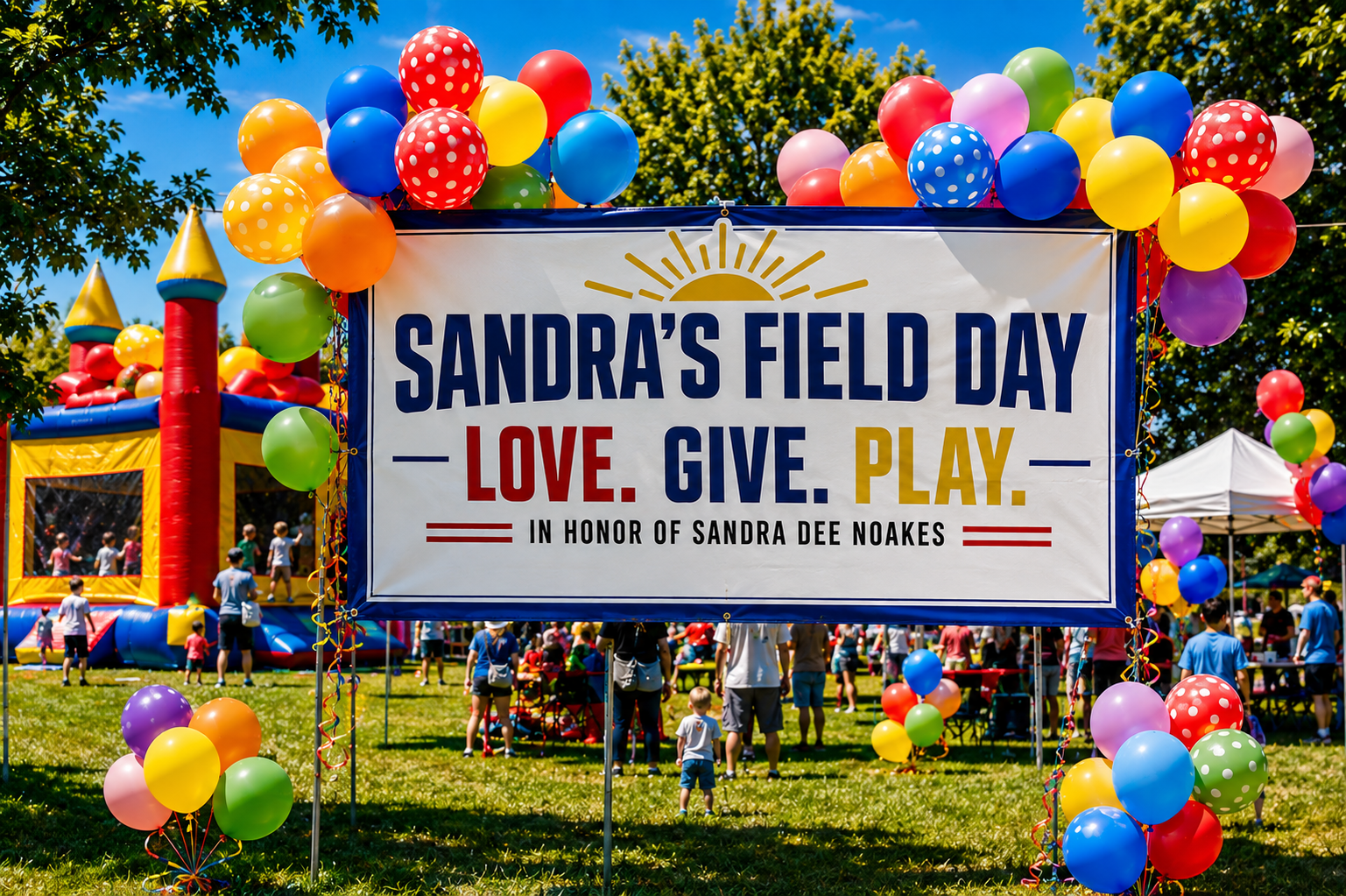
Months before she died, my great Aunt Sandra took me to lunch.
Over Pad Thai she asked me to plan her funeral.
Well… not exactly her funeral. A party.
She wasn't sick. She wasn't dying. As far as any of us knew, she had years ahead of her.
She had a simple vision: no women working in the kitchen, everything catered, children should have something fun to do, and everyone should leave with a gift to remember the day. She had even accounted for the expense generously in her will.
Less than a year later, I was carrying out those instructions.
There were tacos, bounce houses, yard games, snow cones, children running everywhere. And as people left, each one carried home a decorative plate. It did not feel like a funeral. It felt like Sandra.
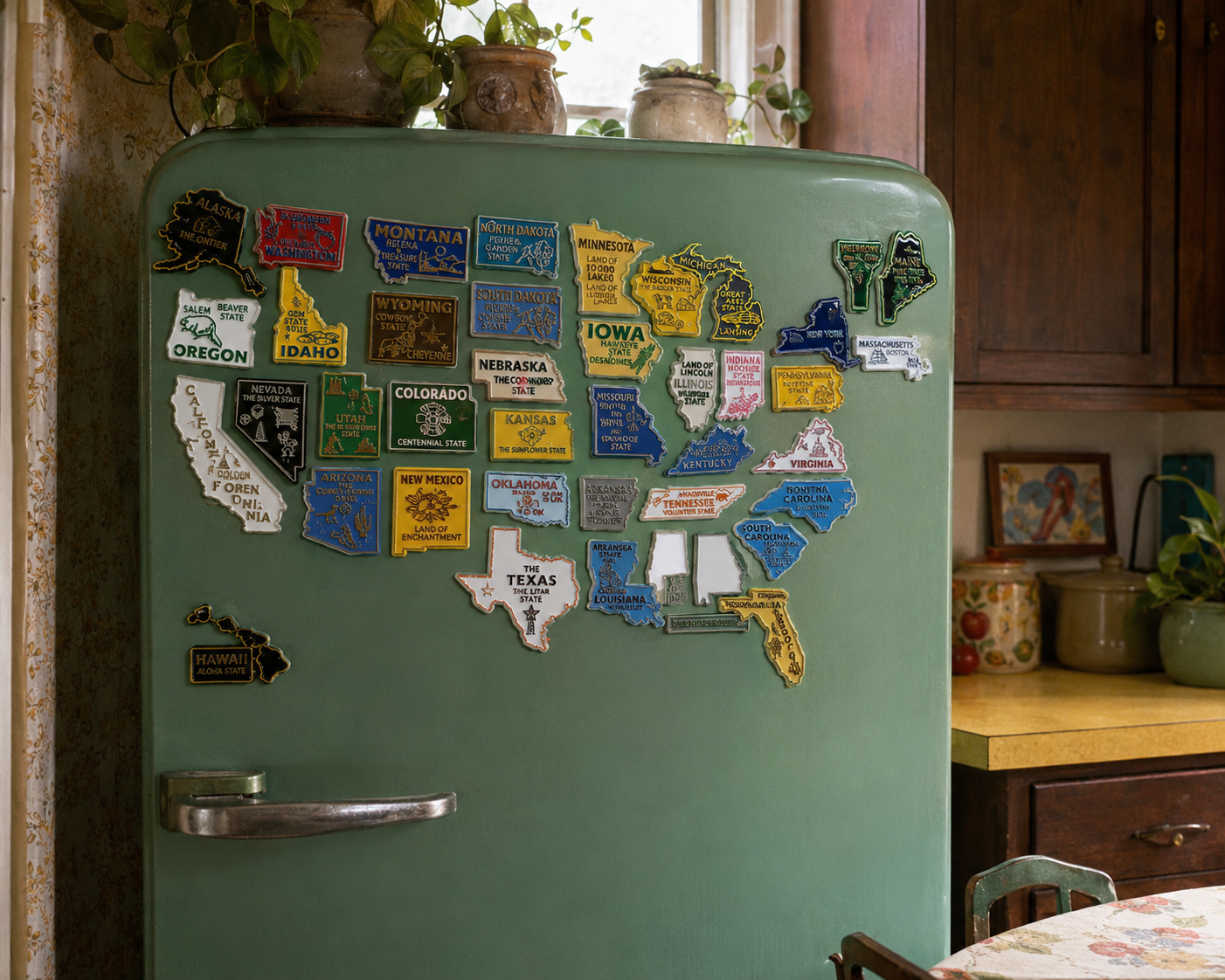
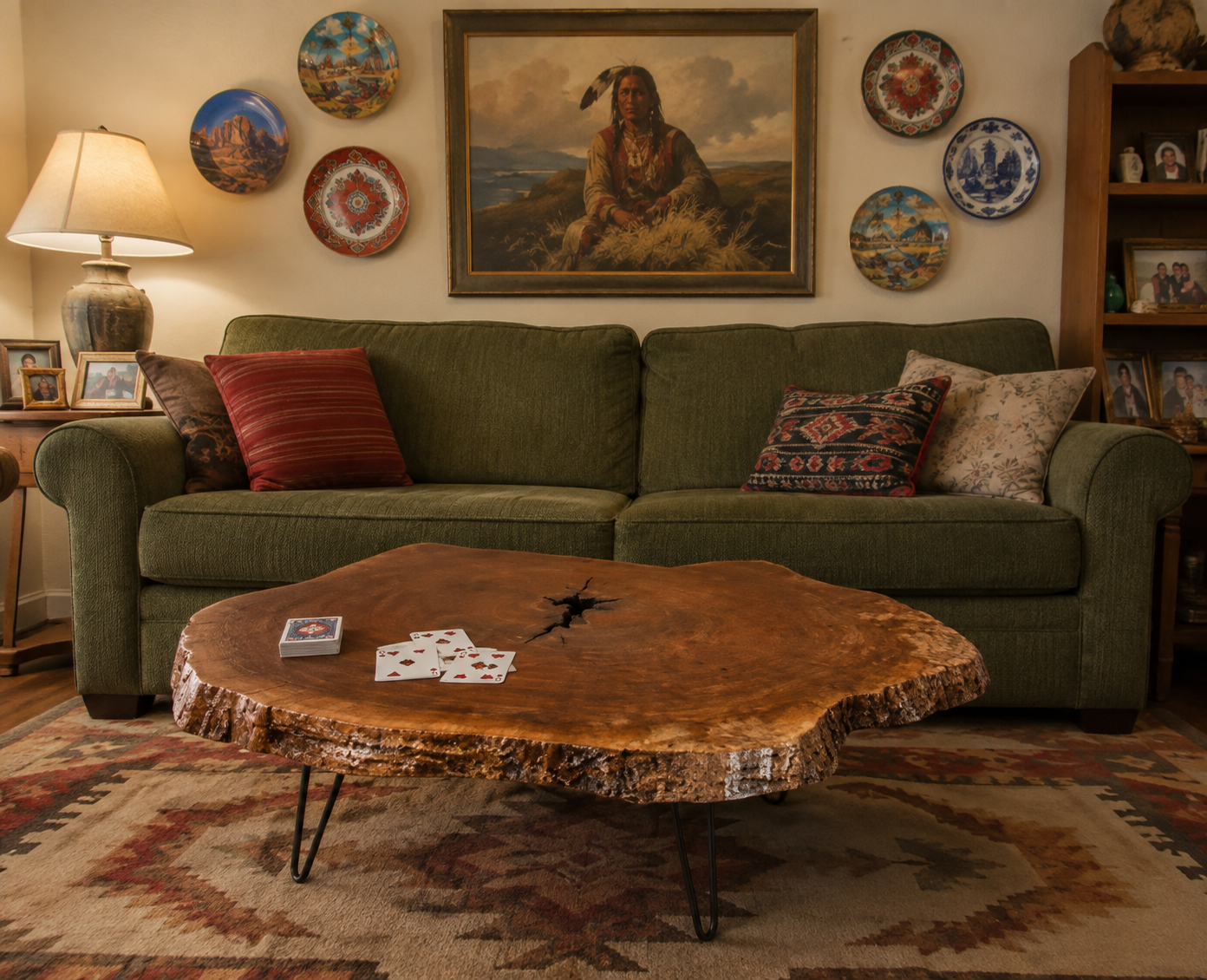
There was nobody like her. She almost always wore the same pair of white capris with an elastic waist and red button-up blouse. Her house was comfortably cluttered, as was her car. If you visited, you'd quickly notice her collections: decorative plates from around the world and refrigerator magnets shaped like the states she'd explored. She was only missing a few.
Her coffee table was a single cross-section of an enormous tree, and there was almost always a deck of cards waiting for whoever came by. If you played cards with Sandra… expect no mercy. She usually won. But she was so pleasant about it, so delighted by good competition, that you almost enjoyed losing to her.
Sandra never married or had children of her own, but her influence spread farther because of it. She fought for women in sports, took nieces and nephews on adventures, never forgot my birthday, and took my children for ice cream on theirs. When she died, she left money to every direct descendant of her parents, along with generous gifts to organizations she believed would keep making a difference long after she was gone.
A few weeks after her celebration, I was on a coaching call with a woman who said, "I can't keep up. I get the kitchen clean and five minutes later it's a mess again. I answer my emails and twenty more appear. I feel like I'm failing all the time."
I knew the feeling.
There is something deeply satisfying about getting to the bottom of a list — an empty inbox, a clean kitchen, everything finally handled. Except, of course, it never is. There is always another meal, another email, another load of laundry, another meeting.
So I asked her a question I sometimes ask clients: What do you want your gravestone to say? I immediately offered a few possibilities: "Here lies Shawna — her email inbox was always empty." Or, "Her kitchen was always spotless."
We laughed at the obvious absurdity.
Then I asked, "If that's not the story you want told at the end, why does it take up so much of the story you're living now?"
It got quiet.
I've thought about that question differently since Sandra died.
Not because kitchens don't need cleaning or emails don't need answering. They do. Sandra's life undoubtedly contained errands, appointments, and plenty of things no one mentioned after she passed. But standing at her celebration, I could see something I hadn't noticed while she was alive: a pattern.
The plates. The magnets. The card games. The birthdays. The ice cream. The trips with nieces and nephews. The support for women in sports. Even the bounce houses at her own funeral.
None of those things, by itself, was a life. But together, they told us what hers had been about.
And that made me wonder about the things that quietly accumulate in mine. Not the things I say matter most, but the things that keep receiving pieces of my days.
An email takes five minutes. So does sitting beside someone who needs to talk. A clean counter disappears by dinner. A conversation might disappear too.
There is no way to know, in the middle of an ordinary Tuesday, which moments will matter later. And maybe that's what makes this difficult.
We still have to answer the emails. We still have to clean the kitchen. We still have to do a thousand things no one will ever mention when we're gone.
But every once in a while, I think about Sandra.
I think about a woman in white capris and red button-up blouse, sitting in a cluttered living room holding a deck of cards, preparing to beat whoever was foolish enough to play against her. I think about the party she planned before any of us knew we would need it. And I think about all those decorative plates going home in other people's hands.
Sandra didn't leave behind a perfectly managed life. But she left behind a recognizable one.
And I think that's what made her passing feel so strange.
It wasn't that I was remembering her.
It was that I was seeing her clearly for the first time.